
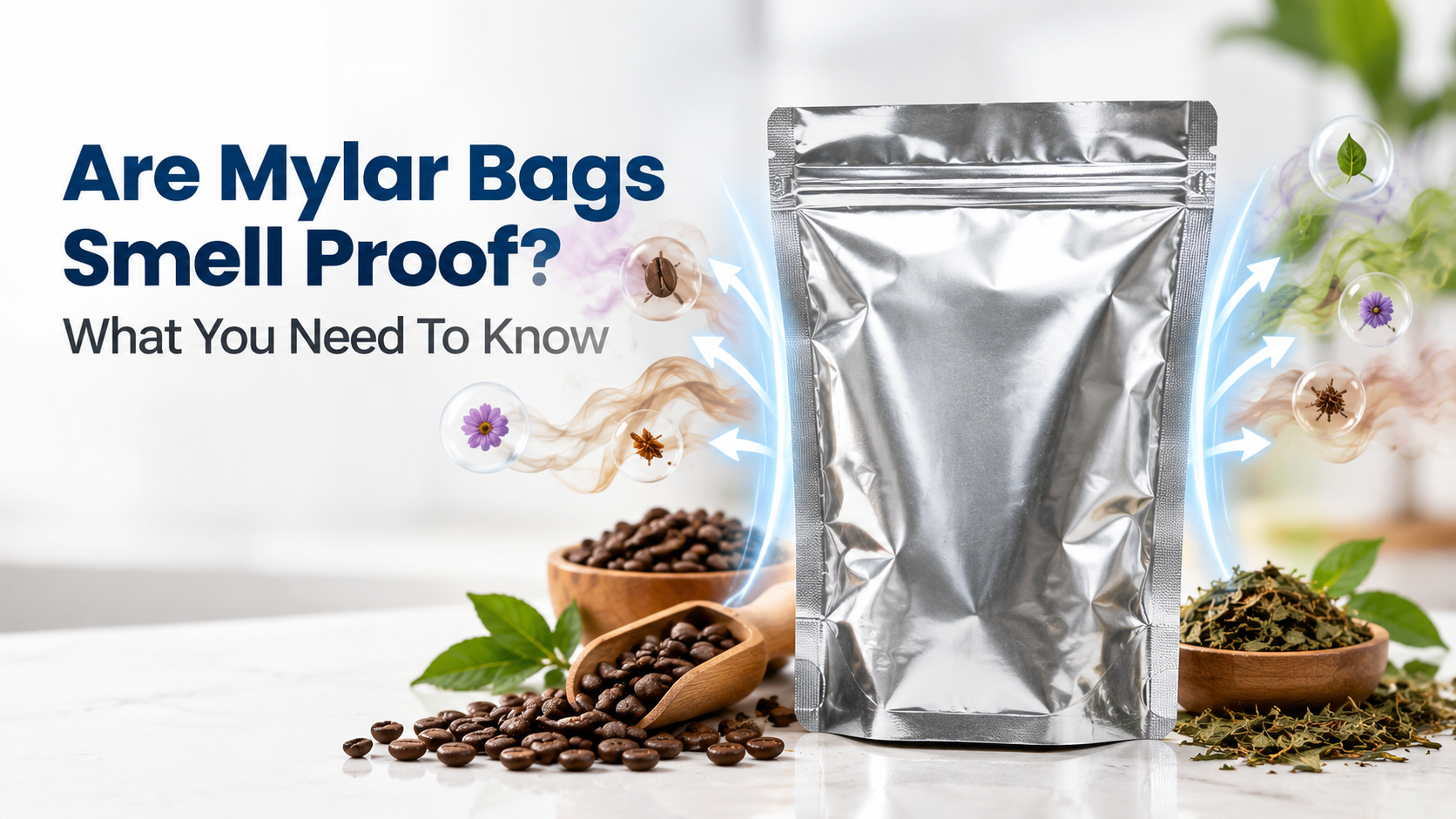
The reason for the smell-proof nature of a Mylar bag comes from its laminate structure, formed by layering a polyester outer layer, followed by a foil or metallized barrier layer,r and then lastly, a polyethylene sealant layer. The barrier layer is the main part preventing volatile compounds and aroma molecules that would otherwise pass through a single-layer plastic bag. This is then sealed in a multilayer structure that, along with a suitably optimised heat seal, will prevent smells from leaking out of the bag as well as keeping any unpleasant external scents from getting in.
Anyone who has kept something odorous in a plain plastic bag understands that it does not take long once the smell escapes or, even more terrifying, different smells breach. Mylar bags fix this issue, and by no means is this unintentional. The odor-proofing is a combination of materials and how well they are engineered to work together. This is what really happens inside the bag.
It Starts With the Barrier Layer
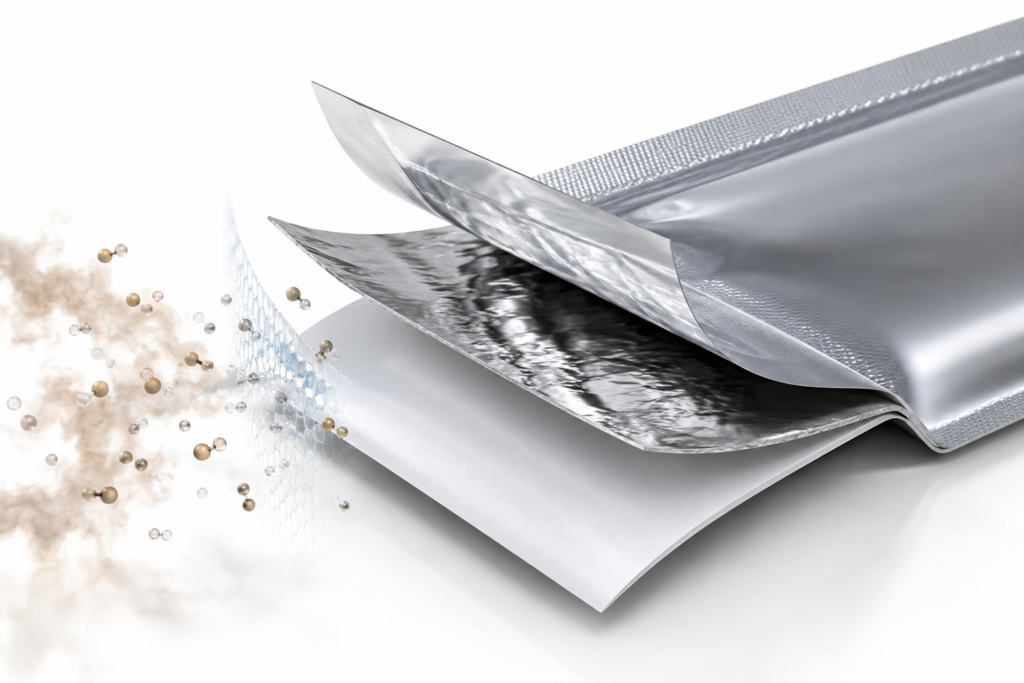
The number one factor in a Mylar bag’s ability to be smell- proof is the barrier layer:aluminum foil or metallized film. Located between the outer polyester film layer and inner sealant layer, this outside of creating a barrier against gases, moisture, and aroma molecules.
Odors exist as volatile compounds, tiny molecules that diffuse readily through porous or thin media. The plastic grocery bag, made from a single type of material, polyethylene, has enough microscopic permeability that these compounds can leach slowly through the wall over time. This is why a plastic bag may hold a smell for one or two days, but almost never for weeks on end or months.
Foil and metallized barrier layers are much thicker and much less permeable. Since foil is a solid metal rather than an open (roughly) plastic film layer, foil in particular provides a near-total barrier. This is why Smell Proof Mylar Bags can hold strong odors, coffee, some dried herbs, and pet food much better than plastic alone.
The Role of the Outer Polyester Layer
The outer layer, made of polyester (BoPET), acts as a reinforcement support while the barrier layer does the hard work of odor control. This layer gives the bag structural integrity and stability, which helps with smell-proofing in a practical way: if the bag is much stronger against punctures, stretching, or stress at seams,s it won’t easily develop small tears or weak points where odor will eventually find its way out.
Basically, ly the polyester layer is not actually odour-blocking; it protects and gives integrity to the barrier layer underneath, which actually does the blocking.
Why the Heat Seal Matters Just as Much as the Material
However, if the bag seal is weak, it doesn’t matter how high quality your barrier layer is;smell-proof really means that. Mylar bags utilize the inner polyethylene layer, which is a thermoplastic that will melt with controlled heat and pressure, thus creating a continuous airtight bond along the seal line.
Worthy of note (and not always understood) at this point: the odor barrier performance of a Mylar bag relies on both the laminate structure and how well the seal holds/speaks to what is done. Whether it is the best barrier laminate in the world, or (for example), a bag made from a great barrier laminate but peppered with gaps, thin spots, or an incomplete seal that will still provide escape routes for odors.
HR sealing equipment, seal time, temperature, and pressure must all be properly calibrated during the packaging of bags. It’s not just the bag; it’s how you have to seal that bag.
Zippers and Odor Control: A Trade-Off to Understand
Although many Mylar bags come with the repackaging feature of a zippered bag for convenience, it’s important to note that a zipper closure is not as airtight as an unbroken heat seal. For everyday use, if you are going to be opening and reclosing a bag multiple times, zippers may work well, but they can let more odor in or out than fully heat-sealed bags do over time or multiple uses!
A permanent heat seal (no zipper, or a zipper used with an additional zipper sealer) will provide the best smell-proof performance during long-term storage. Businesses are packaging products with strong scents to keep them for long periods of time and therefore should take this into consideration while choosing the design of a bag.
Metallized Film vs. Foil: Does It Matter for Odor Control?
LAYERING: Barrier layers do not all hold equal weight. Metallized film, a plastic film coated by a very thin layer of vapor-deposited aluminum, is also one option that provides excellent aroma and gas barrier properties, though it is generally not quite as effective as solid foil because it is still an essentially plastic layer with a metal coating instead of a full-on solid metal barrier.
Metallized film serves up enough protection against odors for most commercial uses. However, for absolute odor-free containment, Foil Mylar Pouch Bag with PVC windows are generally the best barrier solution available.
What Can Reduce a Mylar Bag’s Smell-Proof Performance?
Regardless of materials, two things can degrade a bag’s potential to hold odors:
- Inadequate or Improper sealing of heat creates minute apertures for scent to escape
- Pinholes: Even the smallest damage to the barrier layer spells performance problems
- Second, relying only on a zipper closure is less airtight after long than a total heat seal
- Thin or poor lamination structures: not every “Mylar” bag has the same barrier thickness or material quality.
- Windows: even though windows are a great tool for showing off products, they are in general not ideal since they hinder the barrier property of that area on the bag.
Why care about these factors? Because two bags may look almost identical on the outside and yet perform so differently at actually containing odor.
Common Uses for Smell-Proof Mylar Bags
Mylar bags are a common choice for:
- Coffee keeping aroma and preventing it from going stale
- Dried herbs and spices with intense, unique aromas
- Pet snacks containing food scents in the course of storage and shipment
- Snack product freshness and aroma
Read the benefits of Mylar bags!
Final Thoughts
A layer of foil or metallized film on the inside that prevents air-based compounds from leaving the bag, an outer polyester layer which protects against puncturing and tearing, and a heat seal to make sure that bag is as closed-off as possible. Take out any one of these things: a poor seal, broken barrier layer, or zipper-only closure and the bag you get loses its smell-proof capability.
When using Mylar packaging for its odor-blocking benefits, the specifics count: barrier material, seal quality, and closure type all contribute to how well a final bag performs. Getting each of these right is the difference between a bag that is truly smell-proof versus one that just looks like it.