

Packaging for products that should not be easily opened by young children has to do more than look good on a shelf. The closure, pouch construction, materials, and intended use all matter. That is where child resistant Mylar bags come in: they combine flexible packaging with a closure system designed to make access more difficult for children while remaining usable for adults.
For brands comparing child resistant mylar bag wholesale options, the challenge is choosing a pouch that fits the product, filling process, branding, and applicable packaging requirements. Price matters, especially at volume, but it should not be the only question. A low-cost bag is not useful if the closure is awkward, the print does not hold up, or the package configuration does not support the claim being made.
What Makes a Mylar Bag Child Resistant?
A child-resistant pouch is not defined by its appearance. The important part is the complete package design and how it performs. Flexible Child Resistant Bags may use specialized zipper mechanisms or other access features intended to require actions that are more difficult for young children to complete.
That distinction matters because a regular resealable zipper should not automatically be described as child resistant. When a product is subject to child-resistant packaging requirements, brands should confirm that the specific package configuration and closure have the appropriate testing or documentation for the intended market and use.
The packaging still needs to work for adults. A closure that is extremely frustrating to open may create a poor customer experience, while one that opens too easily may defeat the purpose. Good packaging balances restricted access with practical everyday use.
Why Mylar-Style Flexible Packaging Is Used
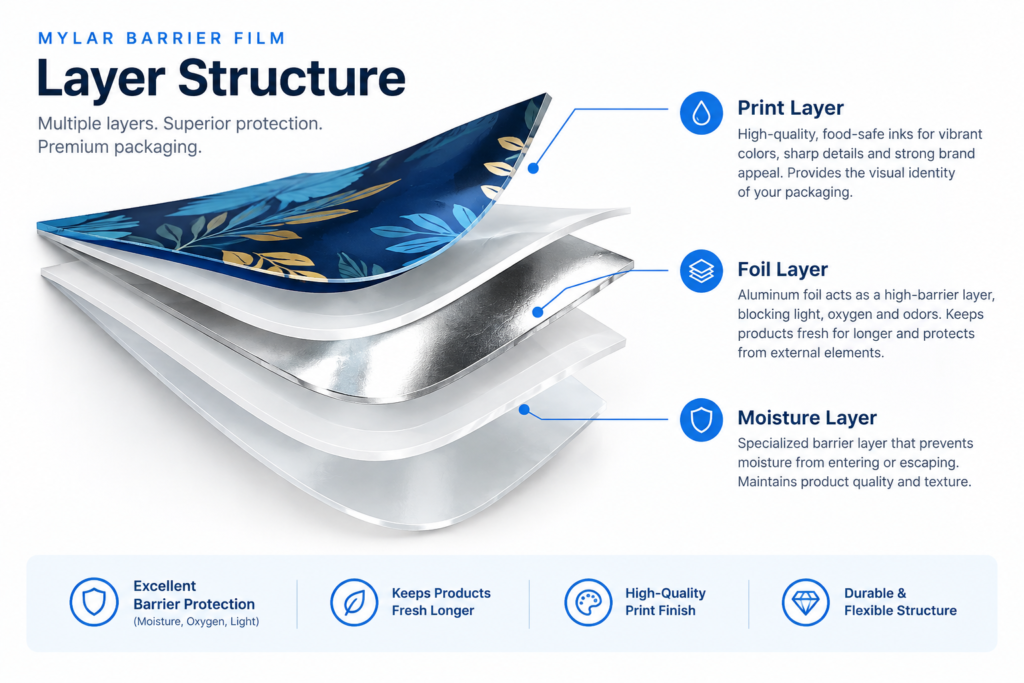
Mylar bags are popular because flexible pouches can combine branding, compact storage, resealability, and protective material structures in one format. Depending on the construction, the pouch may be designed to help manage exposure to factors such as moisture, oxygen, light, or odors.
The exact barrier performance depends on the film structure, thickness, layers, seals, and manufacturing specifications. That is why brands should avoid assuming that every metallic-looking or Mylar-style pouch provides the same protection. The package should be selected around the actual product rather than appearance alone.
Custom Child Resistant Mylar Bags and Branding
Safety-oriented packaging does not have to look generic. Custom child resistant mylar bags can carry brand colors, logos, product information, patterns, and other printed elements while using a specialized closure system.
The best designs keep the front of the pouch easy to understand. A shopper should be able to identify the brand and product quickly without fighting through oversized claims or decorative clutter. On the back or side panels, leave enough room for instructions, required information, warnings, barcodes, and other details relevant to the product category.
Finishes can also change the character of the pouch. Matte surfaces create a softer look, while gloss can make colors appear more vivid. Metallic effects, clear areas, and selective finishes may also be available depending on the material and production process. These choices should support readability rather than compete with it.
Closures, Seals, and Everyday Use
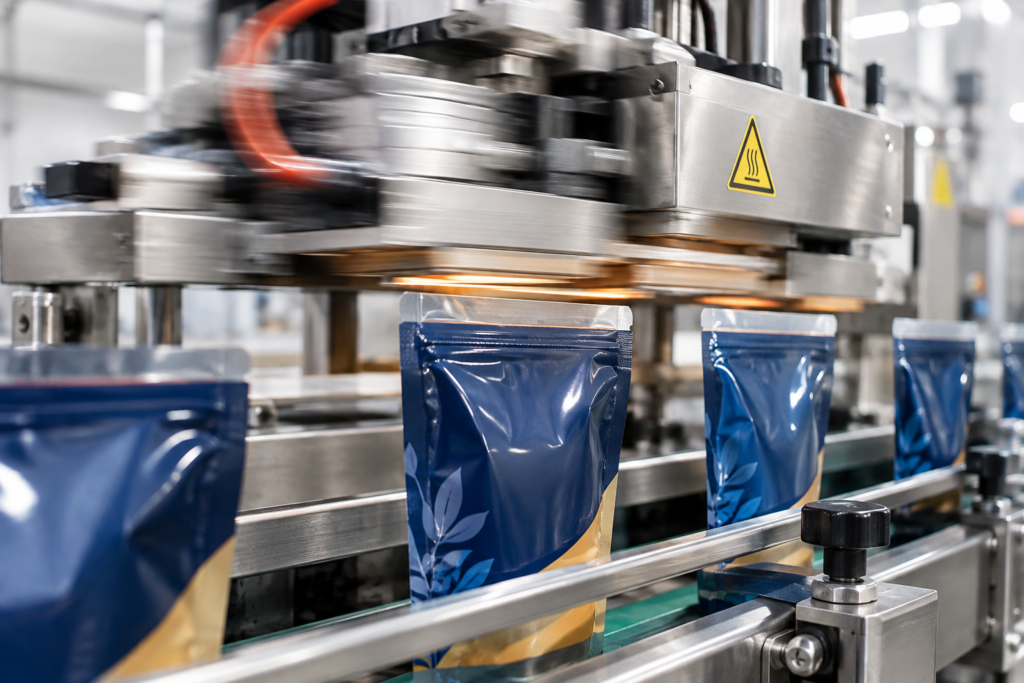
The closure gets most of the attention, but it is only one part of the package. The pouch also needs dependable seams and a structure suitable for filling, storage, transport, and consumer handling.
Many flexible pouches are heat sealed above the zipper after filling, creating an initial sealed area that the customer opens before using the resealable closure. The exact sealing method, temperature, and equipment compatibility depend on the pouch construction.
If a brand uses automated or semi-automated filling equipment, dimensions and seal areas should be checked before placing a large wholesale order. A sample that works by hand may behave differently on a production line.
What to Check Before Ordering Wholesale
Wholesale buying usually brings the conversation quickly to quantity and unit cost. Those numbers matter, but a better comparison looks at the complete specification. Before approving a child resistant mylar bag wholesale order, check:
- Package size and capacity: Make sure the dimensions suit the actual product and fill volume.
- Material structure: Confirm the film construction and barrier properties required for the contents.
- Closure: Review how the child-resistant mechanism works and what testing or documentation applies to the specific package.
- Heat sealing: Confirm whether the pouch will be sealed after filling and whether it works with your equipment.
- Printing: Check artwork requirements, color expectations, print method, and proofing process.
- Finish: Decide whether matte, gloss, metallic, or another surface treatment fits the brand.
- Order quantity: Compare minimum order quantities with realistic inventory needs rather than buying excess stock only to lower the unit price.
- Lead time: Allow time for artwork approval, sampling, production, and shipping.
Do Not Treat Compliance as a Design Feature
Terms such as “child resistant” carry more weight than ordinary marketing language. They should not be added to packaging simply because a zipper looks complicated or because a supplier uses the phrase in a catalog.
Requirements can vary by product type and jurisdiction. In the United States, for example, child-resistant packaging requirements for certain household substances are tied to federal rules and testing protocols. Brands should identify which requirements apply to their product and retain the relevant supplier or testing documentation rather than relying on appearance or assumptions.
The same caution applies to printed claims. Packaging copy should accurately describe the package and should not suggest that the pouch makes the contents harmless or completely inaccessible to children.
Samples Matter More Than a Perfect Mockup
A digital proof is useful for checking artwork, but it cannot tell you everything about a pouch. You cannot properly judge zipper resistance, film stiffness, tactile finish, seal behavior, or how the package feels when filled from a flat image.
Before committing to a large order, test physical samples with the real product whenever possible. Open and close the pouch repeatedly. Check whether the graphics crease in awkward places, whether the bag stands or stores as expected, and whether your team can fill and seal it consistently.
This step is especially useful for custom child resistant mylar bags because both the branded presentation and the functional closure need to work together.
Balancing Cost and Quality at Wholesale Volumes
A lower unit price can be attractive, but packaging cost should be considered alongside waste, usability, print consistency, and production fit. A slightly cheaper pouch that creates sealing problems or arrives with inconsistent print may cost more once rework and delays are considered.
Ask suppliers to quote against the same specification so comparisons are meaningful. Dimensions, material structure, thickness, printing, finish, closure, quantity, and shipping terms should be aligned as closely as possible. Otherwise, two prices may appear comparable even though the packages are not.
For growing brands, it can also make sense to choose an order size that leaves room for artwork or product changes. Buying a very large quantity only makes sense when the design and demand are stable enough to use it.
Choosing the Right Child Resistant Mylar Bag
Start with function, then build the branding around it. Identify the product’s protection needs, the applicable packaging requirements, the closure experience, and the way the pouch will be filled and sealed. Once those points are clear, decisions about size, printing, finish, and wholesale quantity become much easier.
Child Resistant Bags work best when safety-oriented design and normal packaging performance are treated as one system. The pouch should protect the product, communicate clearly, fit the production process, and feel intentional in the customer’s hands.
That approach is more useful than choosing a bag because it looks premium or carries the right label. For a custom package, the details behind the claim matter just as much as the artwork printed on the front.
FAQs
What is a child resistant Mylar bag?
It is a flexible pouch that uses a child-resistant access or closure system. Whether a specific package can be marketed for a regulated use depends on the complete configuration and the applicable testing and requirements.
Can child resistant Mylar bags be custom printed?
Yes. Custom child resistant mylar bags can incorporate logos, colors, product information, and different surface finishes, subject to the supplier’s material and printing capabilities.
What should I check when buying child resistant Mylar bags wholesale?
Review size, material structure, barrier needs, closure documentation, heat-sealing requirements, print quality, minimum order quantity, production lead time, and compatibility with your filling process.
Are all resealable Mylar bags child resistant?
No. A standard zipper or resealable closure should not automatically be treated as child resistant. The claim should be supported by the relevant package design and testing for the intended application.